

Following our theme of Korean automotive firsts, we have the Bongo. Every nation needs a workhorse, a vehicle that the working man can use reliable and affordably to build himself up brick by brick. The United States has the Ford F-150. Japan has the Tacoma. Thailand has the Tuk-tuk. South Korea has the Bongo.

The Bongo started life as many Korean automotive firsts did: with a lot of help from the regional industrial power of the time, Japan. But before we get into all of the historical details, I just want to say some things. I see these things effectively everywhere, and they in many ways are the unsung heroes of what makes Korea such a convenient place to live in. Our delivery services get items ordered online to our doorsteps within a couple days, sometimes even within 24 hours.
Businesses can transport smaller bits of cargo quickly and efficiently with a reliable vehicle thats mass produced, easy to repair, and convenient to use. Considering the rapid development of our country in the past few decades, I really do appreciate the wonky bug-eyed little Bongo because it helped facilitate so many things and was the workhorse our industrious little peninsula was built off the back of. The Willys Jeeps, Ford F-150s, Toyota Highlanders, and Land Rover Defenders of the world built their respective countries and served in the industrial day-to-days of their own countrymen. So too did the Bongo. The little truck that could, really, and I do think it’s properly underappreciated, even by Koreans who benefit from it everyday.
Alrighty, enough of the warm and fuzzy. Stats, please.
OK, OK. I’ll get on with it.
The Bongo’s story must begin in the 60s, when KIA, then called the Kyungsung Precision Industry, first began producing bicycles and motorcycles. In 1962, the company expanded its operations into the automotive sector by manufacturing Mazda trucks under license. As South Korea’s economy began to grow rapidly in the 1970s, there was a growing demand for reliable and efficient commercial vehicles to support various industries, including agriculture, construction, and transportation. Recognizing this opportunity, Kia Motors embarked on the development of its own light-duty truck, which would later be known as the Kia Bongo.
The Bongo, a one-ton light truck meant mainly for daily work and moderate loads, was first produced in 1980. The Bongo originally came with the 2.2 liter “S2” engine with 70 PS (51 kW), although the 1.4 liter “UC” petrol engine was added in 1985. ‘Wide Bongo’ production started in 1987. Between 1987 and 1990 the Bongo was sold as the “Power Bongo”, to reflect an upgrade to the 80 PS (59 kW) 2.4 litre “SF” diesel engine. The Power Bongo also has wide rectangular headlights, rather than the smaller units used previously. The first generation Bongo was removed from production in December 1994, although the upgraded Ceres variant continued for another seven years.


Sounds nice. I hope it got engine updates though.
Thankfully, yes, although not immediately after a new generation was developed. In January 1990 the second generation Bongo Wide (sold as plain “Bongo” in most export markets) appeared. It was largely a rebadged SR-series Mazda Bongo Brawny, and got a new engine in the form of a 2.7-litre 4-cylinder. In fact, a variant of the Bongo, badged the Besta (or “Beast,” in Spanish) quickly became the best-selling minivan in Brazil during the 90s due to its ease of maintenance, rugged dependability, and good fuel mileage. It beat out even the stalwarts of the whole rugged dependability plus fuel mileage game, Toyota, by a margin of over 20,000 units sold over a decade. Really big stuff for an upstart company from a second-tier industrial country.
The third generation Bongo appeared in April 1997, now with the “Bongo Frontier” name. The related van version, Pregio, was introduced in November 1995 and continued in production until 2006. A four-wheel drive version (“Bongo Frontier All Terrain”) appeared in December 1999, now with an optional 3 litre JT engine with 90 PS (66 kW). The Gen III Bongo was facelifted with a more ergonomic cabin and renewed electronics in 2000, and given some better headlamps. The old ones looked a bit squinty, to be honest. The big googly round ones are so cute, IMHO (right side, below).

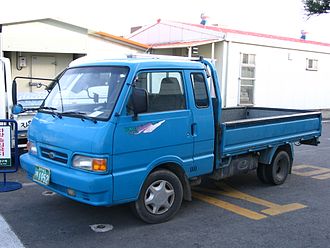

Neat little thing. How’s it getting on nowadays, then?
Really well. The new ones are fairly nice now, with better interiours and uprated engines developed by KIA themselves rather than being loaned powerplants from Mazda or Mitsubishi. The fourth generation, known as the Kia Bongo III, was introduced in 2005, engines were modernized, featuring a common rail option, which is gradually becoming more environmentally friendly. The Gen IV Bongo was updated yet again in 2014, with a new 6-speed gearbox for better fuel economy and an engine fit for Euro IV emissions regulations. It also got a new body design that included a different front fascia, larger 15-inch steel rims, and a 2.5 litre turbocharged inline-4 diesel with 130 bhp.


That explains the second part of the title. Now whats this “meaning of a truck” bit about?
Good question. I’ve added that bit because the Bongo, despite how I’ve framed it as something pioneering, was also incredibly mundane. Like I said in the intro, work trucks are a mainstay of many countries, and many countries have their own versions. That said, what makes the Bongo unique in my eyes is that it has remained a work truck, and nothing but. There haven’t been ones dolled up and adapted for the public to mill about in, in the way that the F-150 now can be optioned with four cushy leather seats and a crew cab. In America, everyone drives a pickup truck, whether they need the bed for it or not, and whether they have a job that actually requires them to tow heavy things about or not.


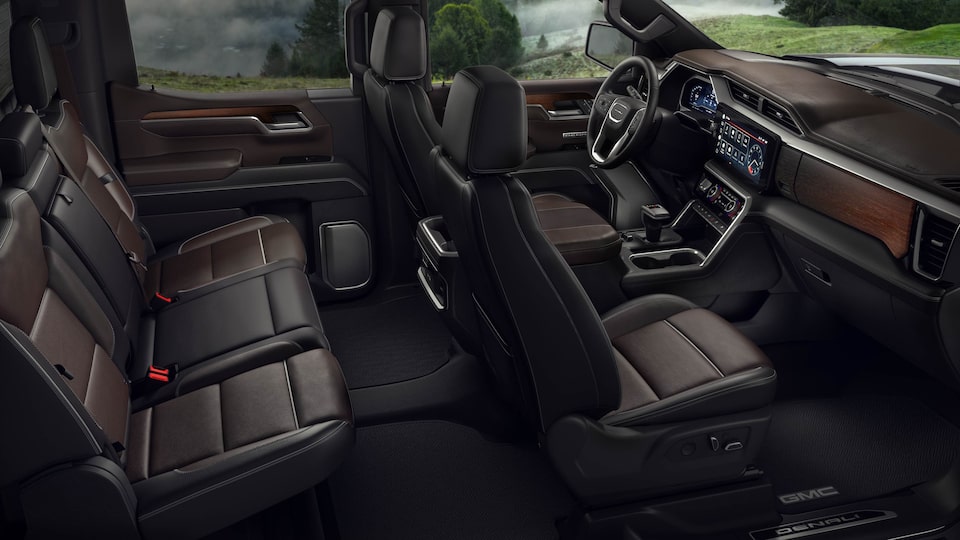
Take the newest crop of pickups from the big three, GM, Ford, and Ram. Left is the interior of the Ford F-150, decked out with sumptuous two-toned leather; the GMC Denali’s crew cab takes it a step further, with Macintosh stereos and seating up to four proper adults. Every significant surface is topped off with leather, wood, or metal, and long gone are the hardscrabble plastics that once adorned the innards of workhorse 1-ton trucks. They are now first and foremost status symbols and a comfortable means of transport, with some functionality in the back, should a few beer kegs need moving from your friends house to yours for the Friday night party.

This, by contrast, is the interiour of the latest Bongo. Spartan, isn’t it? It’s virtually unchanged from its last facelift in 2015, and you can immediately see the utilitarian, austere functionality at work. The seats are cloth, the transmission is manual, and everything is either coated rubber, plastic, or metal. The gauges aren’t digital, and the windows aren’t even electrically operated; a la seventies, you’ll wind ’em down yourself. As a result, this is a truck for the working man, the plumber or electrician who’ll need to lug about his equipment from house to house. As a result, this won’t be a vehicle to cruise down to the strip mall in, much less take on long cruises with your friends in the back (the Bongo seats two, with everything posterior of the drivers derriere being relegated to storage space).
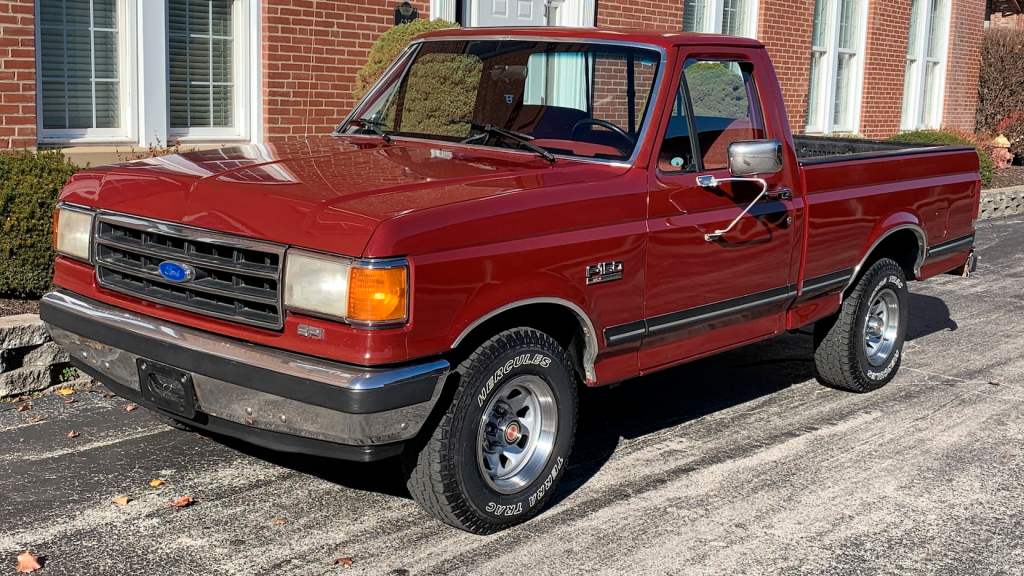
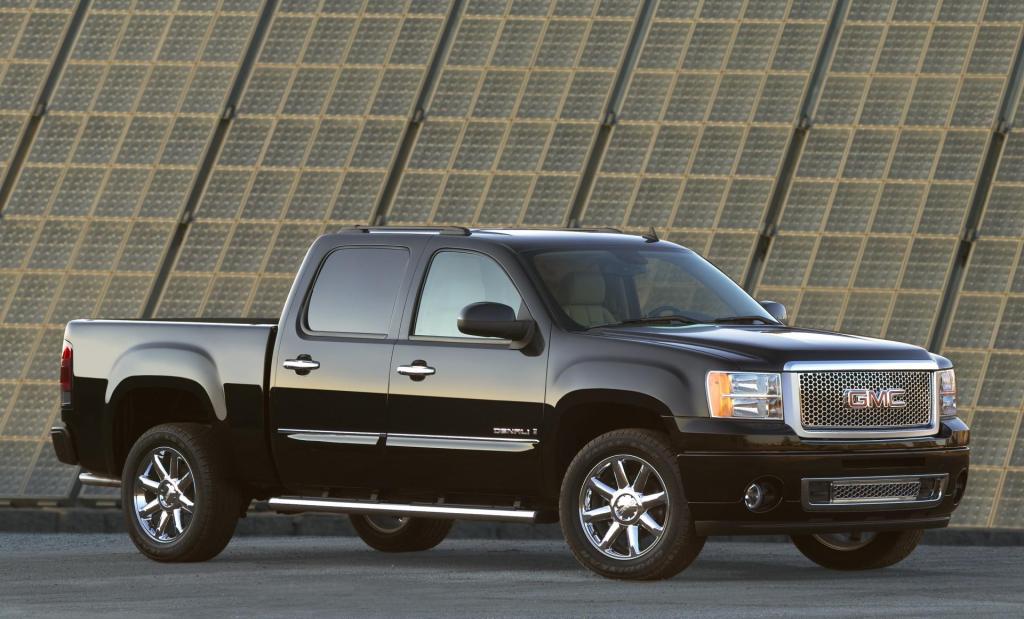

It’s interesting to see the shift in Western culture between utilitarian, working trucks and the luxurious ones we have today. Even until the 2000s, the big three continued to offer trucks meant exclusively for commercial or laborious use, without any of the frills suited to the average consumer. On the right is a truck from the 70s, and this is what you would expect from the vast majority of trucks; knobbly off-road tyres, a bench seat in the middle for two men and a six-pack of beer, and enough storage space in the back for plywood, 2x4s, and a suitable collection of tools. The F100, from Ford, was it’s 1-ton offering, and the death of the 1-ton truck as a concept was a result of both the general enlargement of vehicles overtime, but a growing market of people who wanted pickup trucks, but with comfort added in; much like today’s super SUVs (Urus, Cayenne Turbo, etc) for those rich few who want a supercar that can also take up two kids and a haul of groceries while remaining 200 mph+ capable.
Contrast the humble and sparsely-optioned Bongo with the handsome chromed charicatures of modern pickups, and the difference is clear. This isn’t to say that one is better than the other, but merely my own thoughts on how the concept and definition of the pickup truck in America has changed, while in Korea it has not. It might not be a lesson in humility, but when needing to get work done, the Bongo is built as Ford Tough as the Fords of yesteryear were, and a quarter of the price. As far as unsung heroes and reliable workhorses go, the Bongo has earned a place in my book as up there with the best.



 Motor History Korea