

Imagine Frank Lloyd Wright designing the first ever library constructed in a little backwater town. Or Jean-Michel Basquiat having done a mural for a classroom in some remote corner of a third-world country. Essentially, imagine a near-untested and ramshackle little thing being graced by the presence of one of the most influential individuals of the category that said thing belonged to, and then imagine that the thing in question was essentially an industry first for an entire nation.
Petrol heads, riddle me this: If I were to say to you to imagine a compact, four-door saloon designed by Giorgetto Giugiaro in the 1970s with a wedge profile, what might come to mind? An Alfa Romeo Alfetta, perhaps, or a Lancia Delta saloon, and any other day, you’d be absolutely spot-on. But no. Built by the untested and overlooked, this is the story of one of the great pioneering cars of automotive history.
Welcome, everyone, to the Hyundai Pony.
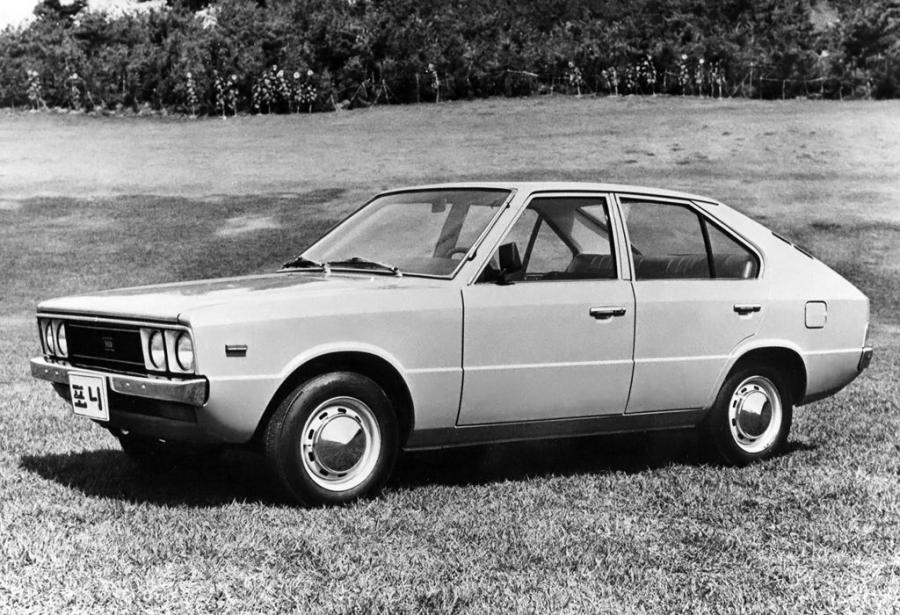
Alright, let’s hear about this grand beginning.
Right. Well, hold your horses. (Pun intended). Despite all I said about the Pony being the start of a nation and so forth, its maker, Hyundai, came from very humble beginnings. Remember, South Korea in the 70s was nothing close to the internet and tech-savvy nation it is now. Honestly, every time I see pictures of pre-IMF Korea, I’m shocked. Chilled, even, because as a teenager with nothing to go on but the developed economic tech-fest Korea is today, I can’t fathom the agrarian, downtrodden, impoverished, and backwards nation it once was. The land of Samsung, Hyundai, and BTS was, just a few decades ago, nought but dust and ashes.
But from ashes we rise. Hyundai, for its part, started out making Ford Cortinas under license during the 1960s. It gave the Korean auto industry its first tidbits of valuable experience building consumer cars on an industrial scale. Seeking to branch out and make their own cars, Hyundai hired George Turnbull, an executive from British Leyland, in 1974. I’m trying to be professional here, but Leyland? Really? You’re trying to build your first car, the first face of the nation in the automotive arena, and you’ve chosen as your commanding officer the man responsible for the Morris Marina?! Oh, and the Austin Allegro, both of which competed in Topgear’s Worst Car in the World special in 2011. Of the two, as per the TG Trio, the Marina was apparently worse.
Anyhow, Turnbull took a look and brought over to Korea a couple of Marinas, and decided that it would serve as the basis for Hyundai’s (South Korea’s, more like) first car. Not an auspicious start, I know.
Well what was it built like, then? Couldnt’ve been good.
The enthusiasm went out a bit fast, didn’t it? Although, in this case, I don’t suppose it’s unwarranted. The Pony was a mish-mash of parts, with an engine produced under license from Mitsubishi and a smattering of mechanical components lifted off of the outgoing Cortina. Then, in what I could only imagine was the point of all of that cost-cutting, they managed to convince the Michelangelo of car design to grace its exteriour with his pen. Behold, a Korean car, constructed by a Briton, powered by a Japanese engine, with bits nicked from an American compact, designed by the Italian maestro Giorgetto Giugiaro. You couldn’t make this up if you tried.
Some good news now, though. Giugiaro’s concept Pony was a sleek silver wedge, not unlike his prior portfolio of work with likes of Maserati or Lamborghini. In fact, Giugiaro’s own Maserati Medici concept car, also in silver, was in many ways a parody of his design ideas in the Pony. With the King’s clothes draped over a village peasant, the whole contraption was trotted out to the 1974 Turin Auto Show, with production beginning in late 1975.
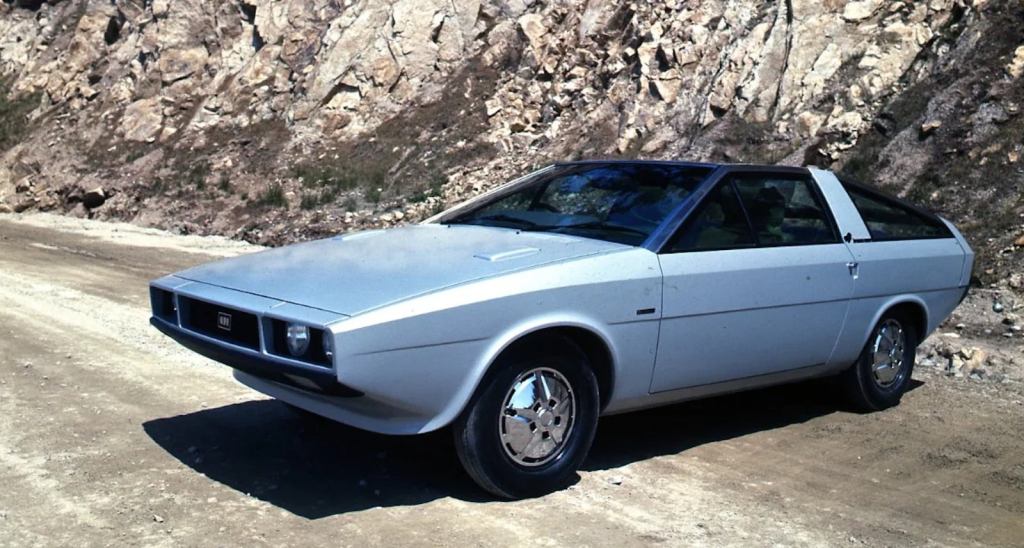

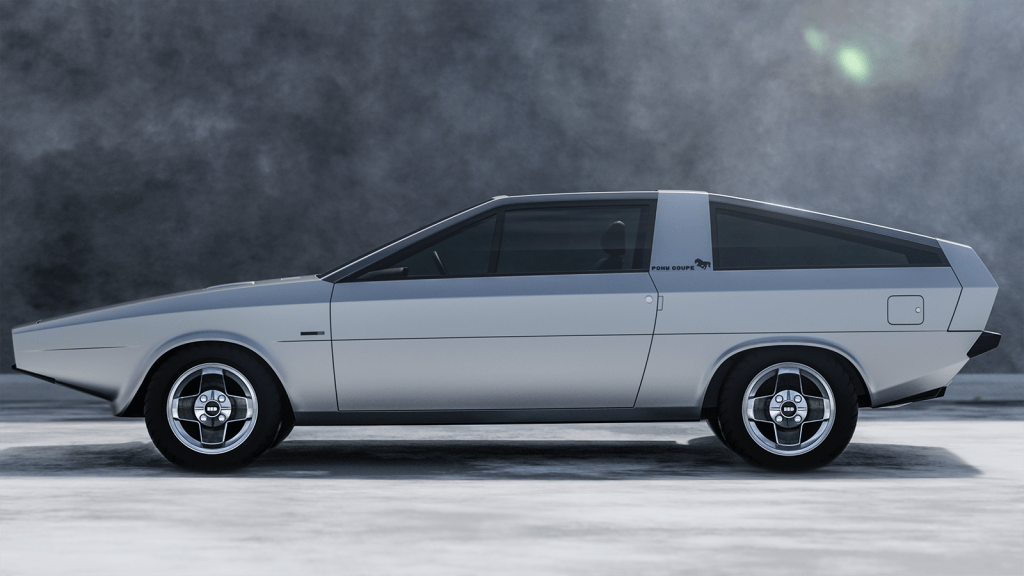
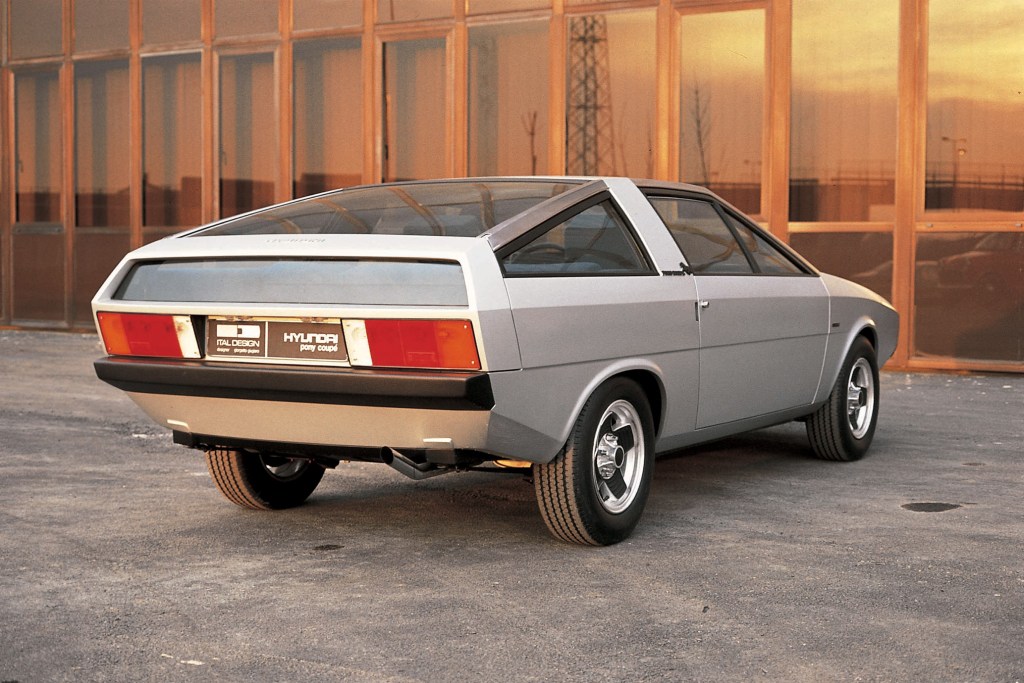
What was under the hood?
Not much. The Pony featured a 1,238-cubic-centimetre (75.5 cu in) four-cylinder engine claiming 55 PS (40 kW) and the 1,439-cubic-centimetre (87.8 cu in) engine produced 68 PS (50 kW). The 1.4 GLS model, which was supposedly the upper-crust one, was tested by the British car magazine Motor upon debut with a recorded top speed of 92 mph. 60 mph was attained from a standstill in a blistering (rather lengthy, actually) 15.3 seconds.
However, it was a start. Hell, even Toyota, which now occupies a seat as one of the great marques of the automotive world, began with the Crown, a little sub-compact saloon that struggled to outpace an overcaffeinated pedestrian. If it didn’t break down first, of course. They’d more than make up for it with the 2000GT, but that’s a story for another article.
Sounds okayish. So it’s all but forgotten now, is it?
You’d think so, from the second-hand mechanics and subpar performance. But you’d be incredibly wrong, because despite the fact that the Pony was just a small compact saloon, it was so much more than the sum of its parts. Just like how the Mk. 1 Golf (also by Giugiaro, by the way) was just a sub-compact hatchback built by Germany in response to a fuel crisis that became a legend and icon, so too was the Pony. Today, it continues to live on as a revamped, resto-mod EV concept built by Hyundai to commemorate their first domestically-manufactured car model, and it also serves as inspiration to the next generation of Hyundai racers. The N74 nVision concept, shown below, echoes the design cues penned by the Maestro half a century ago.
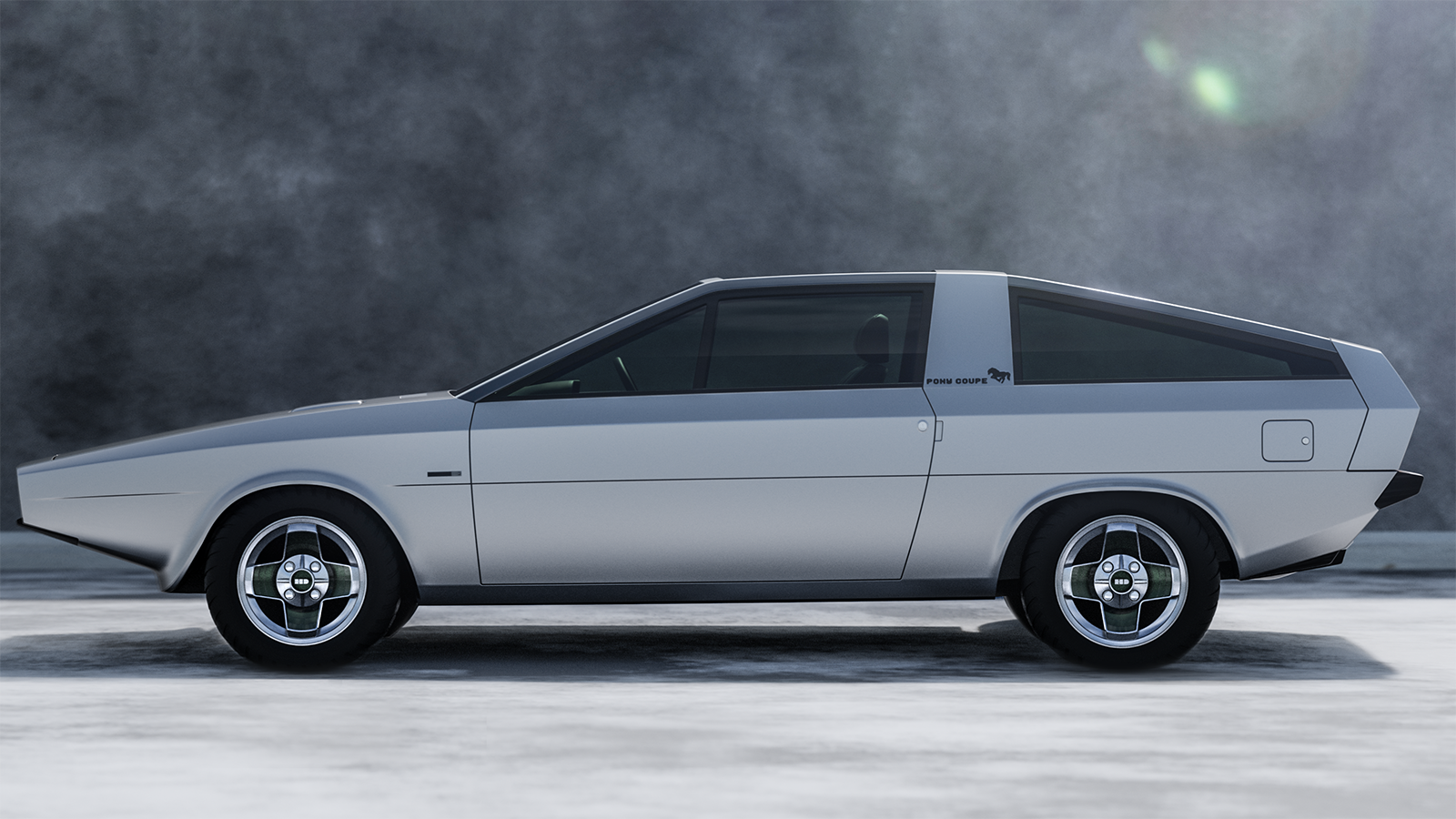
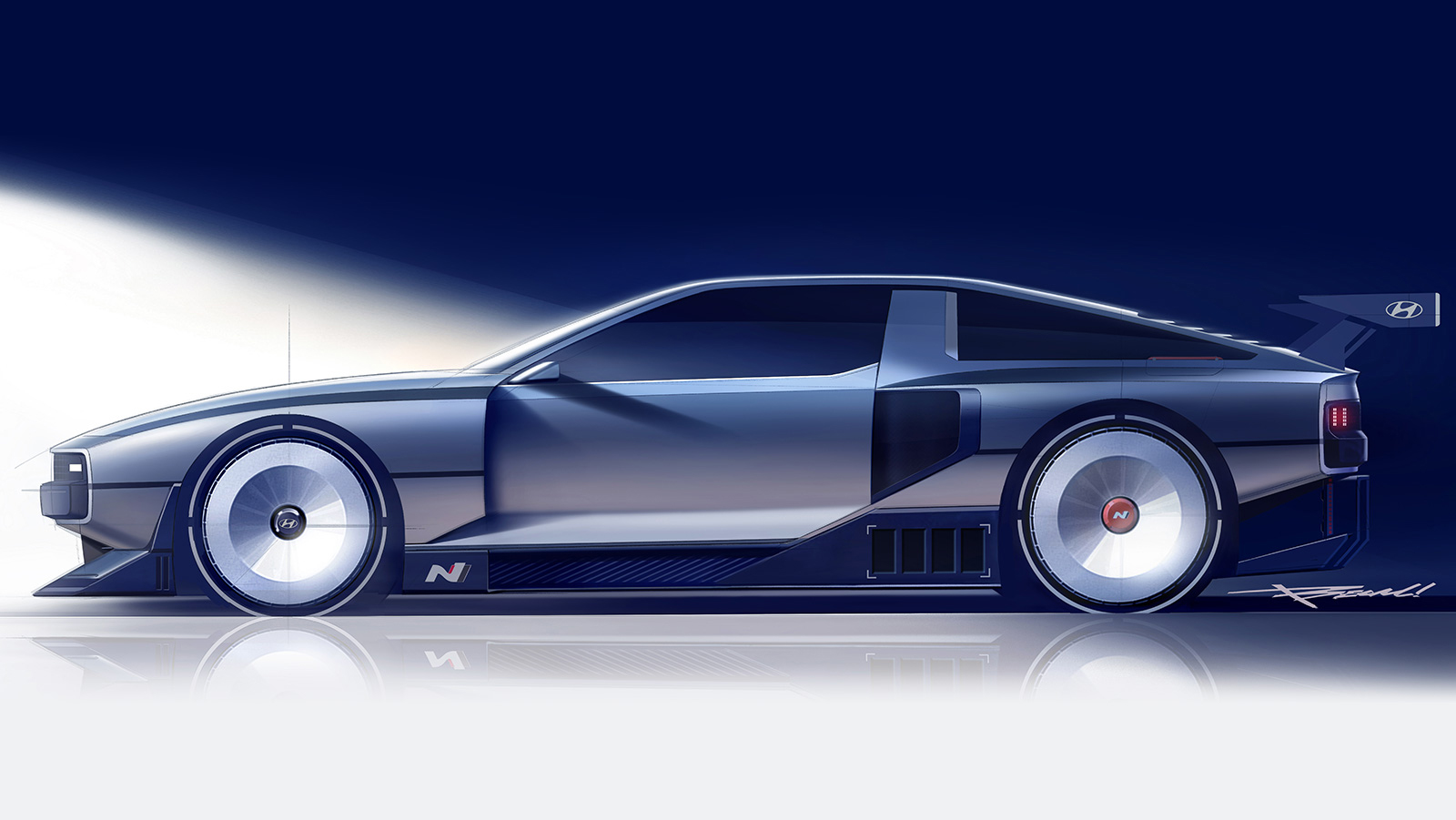
The EV concept also follows a common trend I’ve noticed with established marques by harking back to their heritage or their roots, and it’s honestly so nice to see as an enthusiast. I remember BMW released 3.0 CSL and 2002 homage concepts, and in 2006 Lamborghini showed us what could have been with the Miura concept. They made a revamped Countach, and if VW was willing to give them the underpinnings of a Panamera or some other sporty front-engine platform to work with, I reckon it’d be a fantastic hit. Provided it paid proper respects to the original, of course.
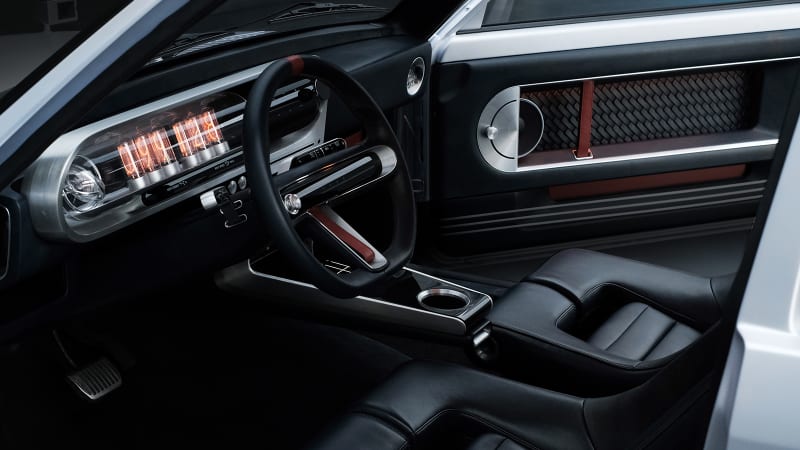
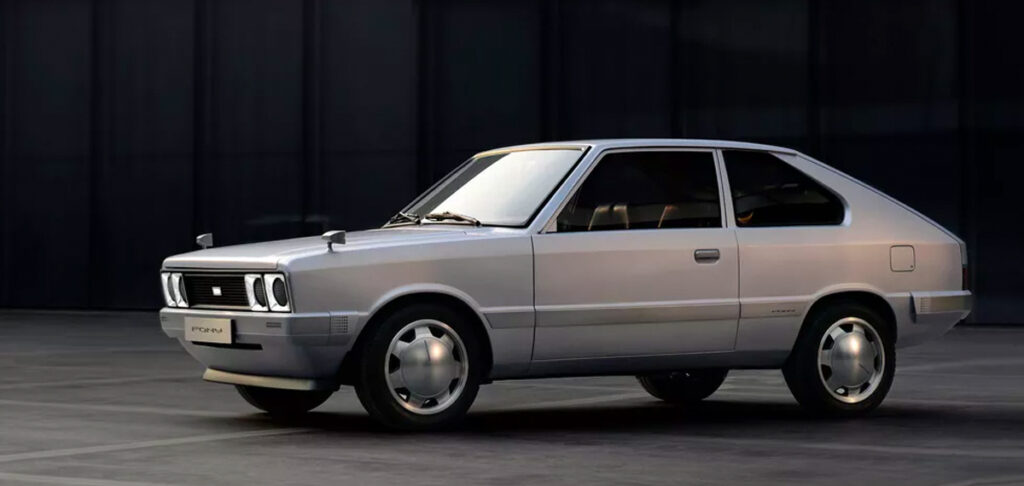

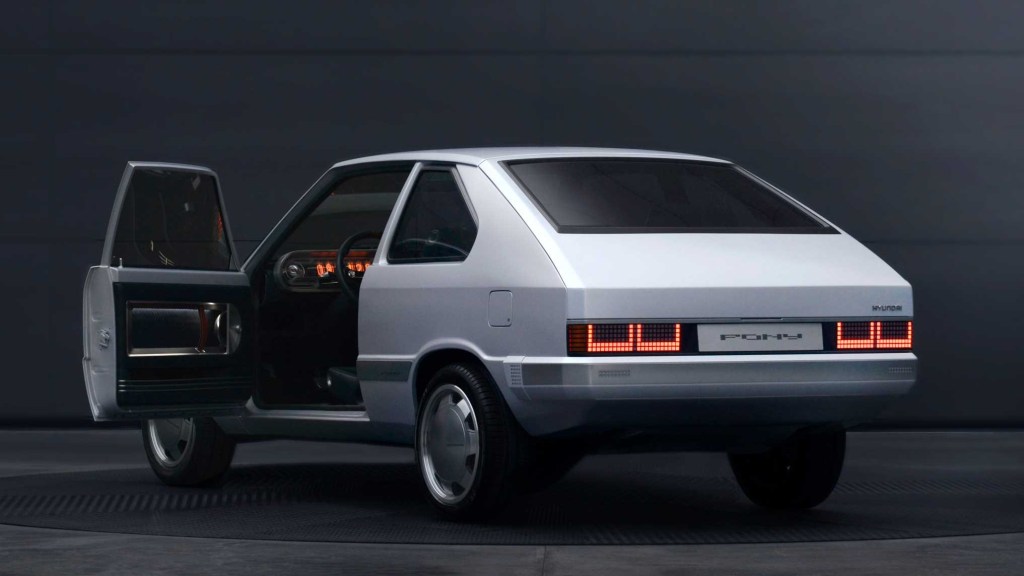
A pioneering little automobile, then, that continues to influence Korean automotive design half a century past its initial debut. A small, inocuous little thing, I’m sure you’d agree, but to quote the Game of Thrones, a very little man can cast a very large shadow. And, with men, it seems, so too with cars. Grazie, Maestro Giugiaro.



 Motor History Korea